
List of SEPA Countries (2026): Where Can You Use SEPA Payments
7 min
December 4, 2025
Author:
Roan Dollmann


Introduction
If you plan to expand your business across Europe in 2026, here’s a crucial question: Where do SEPA payments work?
SEPA was designed to make euro bank transfers faster, cheaper, and more consistent across borders. However, not every European country participates in SEPA, and some members are outside the European Union. This creates confusion for businesses that rely on accurate, low-cost payments.
In this guide, you'll get a full, updated list of SEPA countries in 2026. We'll break down the difference between SEPA and the eurozone, explain how non-EU countries like the UK fit in, and help you build a payment strategy that works across all SEPA regions.
Which Countries Are Part of SEPA in 2026?
As of 2026, the Single Euro Payments Area (SEPA) includes 41 countries and territories, including all EU member states and several non-EU participants. It also covers specific territories and dependencies linked to SEPA members. Here's the complete breakdown:
Eurozone Countries
These 20 EU nations use the euro as their official currency. SEPA payments between them are the fastest and most cost-effective:
Austria, Belgium, Croatia, Cyprus, Estonia, Finland, France, Germany, Greece, Ireland, Italy, Latvia, Lithuania, Luxembourg, Malta, Netherlands, Portugal, Slovakia, Slovenia, and Spain.
EU Member States Using Local Currencies (SEPA applies, with possible conversions)
These countries are full EU members but use local currencies. SEPA transfers are supported, though euro-to-local currency conversion may apply:
Bulgaria (BGN – joining the eurozone in January 2026), the Czech Republic (CZK), Denmark (DKK), Hungary (HUF), Poland (PLN), Romania (RON), and Sweden (SEK).
EEA & EFTA Members (Non-EU SEPA countries)
These countries and microstates are outside the EU but have adopted SEPA rules through EEA agreements, EFTA membership, or bilateral arrangements:
Andorra (uses EUR), Iceland (ISK – EEA member), Liechtenstein (CHF – EEA member), Monaco (uses EUR), Norway (NOK – EEA member), San Marino (uses EUR), Switzerland (CHF – EFTA member), the United Kingdom (GBP – retains SEPA access post-Brexit), and Vatican City (uses EUR).
Territories Covered Under SEPA Membership
These territories are part of SEPA due to their connection with existing member countries:
Åland Islands (Finland), Azores & Madeira (Portugal), Canary Islands (Spain), French Overseas Territories – Guadeloupe, Martinique, Réunion, French Guiana, Mayotte, Saint-Pierre-et-Miquelon (France), British Crown Dependencies – Guernsey, Jersey, Isle of Man (via UK SEPA membership), and Gibraltar (UK territory, included through financial cooperation agreements).
Why more than 41? Some areas listed, like overseas territories and dependencies, are covered under the SEPA membership of their parent countries. While the list names more than 41 places, the official count includes only recognized participating countries and integrated regions under SEPA rules.
Which European Countries Don’t Support SEPA Payments?
Despite SEPA’s wide coverage, not every European country is part of the system. Nations like Serbia, Ukraine, Belarus, Russia, Albania, and Moldova are geographically European but fall outside the SEPA framework. These countries do not follow SEPA payment rules, which means:
- You can’t rely on standardized euro transfers there.
- Fees, processing times, and requirements may vary drastically.
- You may need alternative payment methods or providers.
Pro Tip: Just because a country’s in Europe doesn’t mean it’s in SEPA. Always double-check before sending euro payments
Know Where SEPA Works
Streamline euro payments with:


What Is SEPA and Why Does It Matter for Businesses in 2026
The Single Euro Payments Area (SEPA) is a standardized framework that enables businesses and consumers to send and receive euro-denominated bank transfers across participating countries using consistent rules and procedures. This unified system makes euro transactions as efficient and predictable as domestic ones across the SEPA region.
For businesses, SEPA means:
- Lower transaction costs
- Faster settlements (often same-day)
- Fewer processing errors
- Greater compliance and consistency across countries
“SEPA was created to fully harmonise electronic euro payments to make it as easy and convenient for citizens and businesses to pay across Europe”.
How Do SEPA Transactions Differ Between Eurozone and Non-Eurozone Countries?
While all SEPA countries follow the same core payment framework, your experience can vary significantly depending on the recipient country’s currency. That’s why understanding the difference between eurozone and non-euro SEPA participants is essential for businesses managing payments across multiple markets.
In eurozone countries, SEPA transfers are the most efficient. You send euros, the receiver gets euros instantly, in many cases, with no currency exchange involved.
This makes payments more predictable and efficient, especially within eurozone countries where no currency conversion is needed.
In contrast, non-Euro SEPA countries like Poland, Sweden, or Switzerland add a layer of complexity. If the recipient's account isn’t in euros, the transfer is converted into the local currency (e.g., PLN, SEK, CHF), which can:
- Trigger additional fees from the receiving bank
- Can lead to delays
- Lead to exchange rate differences that affect the final amount received
This distinction matters most in B2B scenarios, such as supplier payments, affiliate commissions, or recurring contractor payouts. Even small variations in timing or cost can accumulate quickly and disrupt financial planning.
Pro Tp: If you're working with partners in non-Euro SEPA countries, it’s worth confirming whether they use a euro-denominated account. That small detail can eliminate conversion and streamline your transaction strategy.

Confused by SEPA country rules? We’ve simplified them for you.
Streamline your euro payments across all SEPA-supported countries with one trusted solution.
Where Is SEPA Available in Europe for Business Payments?
While the entire SEPA zone follows unified rules for euro-denominated payments, the experience can vary depending on the country, the local banking infrastructure, and the specific SEPA services supported.
How SEPA Availability Impacts Business Payments
Let’s say your business invoices clients in Germany, settles supplier contracts in Hungary, and pays a remote team in Switzerland. On paper, all these countries support SEPA. But in practice:
- Hungary may involve currency conversion (HUF to EUR),
- Switzerland may process payments slightly slower due to its non-EU banking coordination.
- Germany will offer the most seamless experience thanks to using the euro and a strong domestic payment infrastructure.
Understanding where SEPA is available isn’t enough. You need to know how it behaves in each market to optimize your payment flows.
Common Business Scenarios Using SEPA
- SaaS providers billing clients across SEPA countries and receiving euro payments with minimal fees and processing friction.
- Exporters and importers are settling supplier payments via SEPA transfers in countries like Slovenia, France, and Slovakia.
- Affiliate networks and digital platforms pay out earnings to partners in Poland or Romania while managing conversion margins.
- EU-based employers sending salaries via SEPA to workers based in microstates like Monaco or San Marino.
- High-risk businesses (e.g., online gaming, nutraceuticals, forex) use SEPA to access stable, regulated payment rails across compliant banking partners.
These examples show how SEPA empowers a wide variety of business models, but also why strategic knowledge of SEPA transaction countries helps avoid delays and unexpected charges.
Do SEPA Transfers Still Work in the United Kingdom in 2026?
The United Kingdom remains part of the SEPA network in 2026, even after it departs from the European Union. UK-based businesses and individuals can continue sending and receiving euro payments through SEPA Credit Transfers and, in many cases, SEPA Direct Debits.
However, the UK is now classified as a “third country” under SEPA rules. This means payment service providers must meet specific compliance requirements, including annual self-assessments. Additionally, because the UK uses GBP, most SEPA transactions will involve currency conversion unless both accounts are euro-denominated.
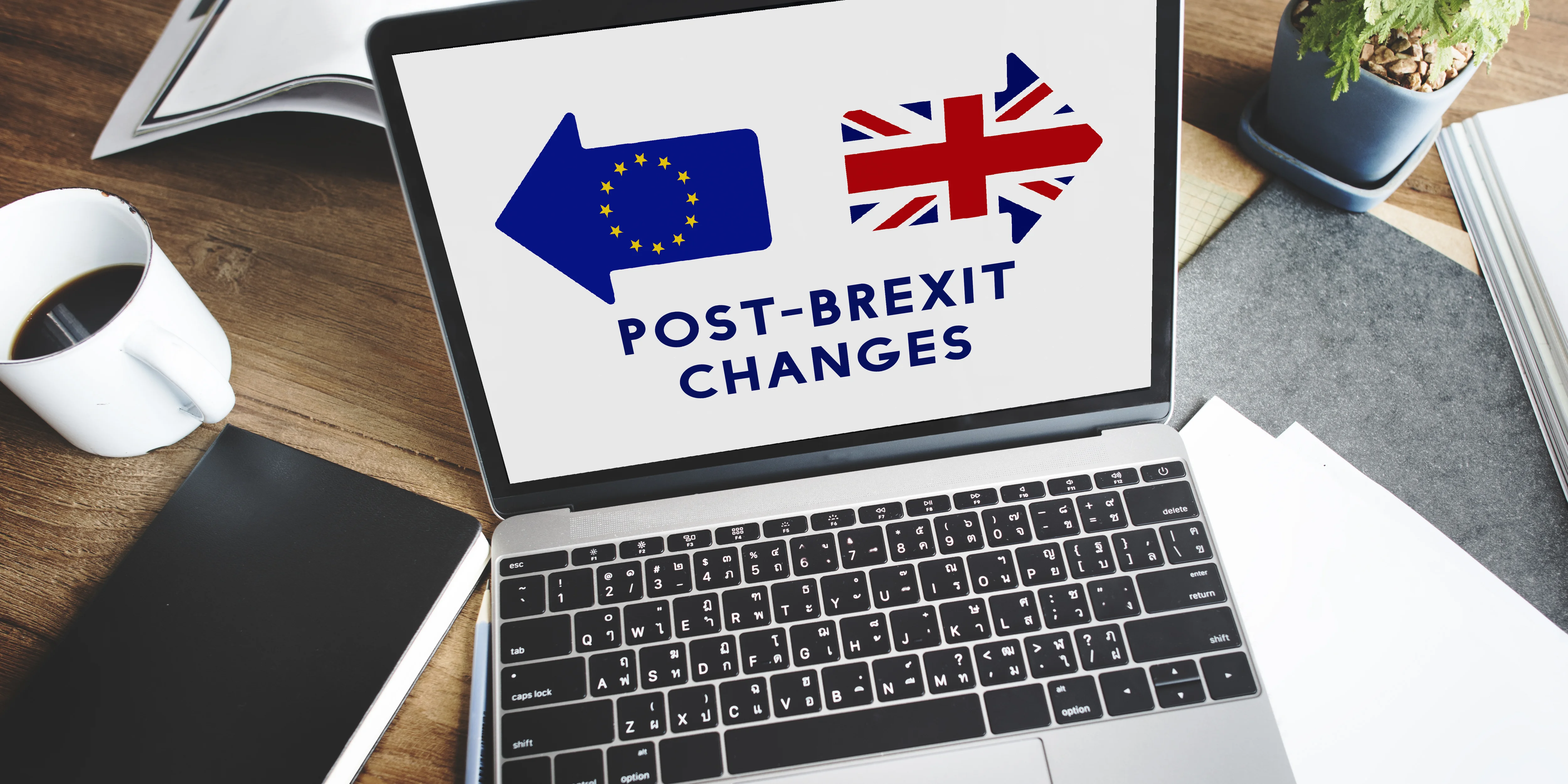
Post‑Brexit Status and Requirements in the United Kingdom
The UK retains SEPA access but must meet stricter compliance requirements. PSPs must:
- Submit annual self-assessments confirming SEPA rule adherence.
- Operate within the IBAN-Only (SEPAIO) directory system for accurate euro payment routing.
- Ensure SEPA credit transfers are processed under EPC rulebooks.
Fees, Currency Conversion, and Processing Time
- Fees: SEPA transfers from the UK usually follow standard pricing. However, some EU banks may charge small operational fees for UK-originated payments.
- Currency Conversion: Payments involving GBP may incur currency exchange margins of ~1%, depending on the provider and market rate.
- Processing time: Most UK-based SEPA transfers settle within one day. H3: SEPA Participation in EEA Countries
What This Means for UK-Based Businesses
Having SEPA access in both the UK and EEA countries means your business can send and receive euro payments across borders. But to avoid delays or unexpected costs, it’s important to understand how SEPA operates in each region.
In the UK, payment service providers must follow specific post-Brexit rules to remain compliant with SEPA standards. In EEA countries, participation is more streamlined through regional agreements. Still, currency differences in both regions may introduce exchange fees or timing variability.
Here’s how to keep things running smoothly:
- Use euro-denominated accounts whenever possible to avoid conversion losses.
- Confirm that your PSP routes SEPA payments correctly and complies with current European Payments Council (EPC) guidelines.
- Allow for minor processing differences or added costs when working across currencies like GBP or NOK.
How Can SEPA Help Your Business in 2026?
The Single Euro Payments Area unifies payment rails across Europe and gives businesses a smarter way to operate across borders.
Here are the key reasons businesses benefit from being inside the SEPA zone:
- Speed: One-day euro transfers keep cash flow predictable across borders.
- Simplicity: IBAN-based transfers reduce errors and eliminate complex setup.
- Cost savings: Payments across SEPA countries carry no added cross-border fees.
- Compliance clarity: A single framework means less red tape when expanding to new markets.
- Trust and security: Standardized chargeback rules and anti-fraud protocols ensure safe transactions.
Pro tip:If you manage high-risk or cross-border payments, partner with a PSP that offers smart SEPA routing and local bank coverage. It’s the most reliable way to reduce delays, avoid unnecessary fees, and keep payouts compliant across 41 markets.
How PayFirmly Supports SEPA Transactions
Handling SEPA payments isn’t just about access. It requires resilient infrastructure that supports fast, reliable, and scalable euro transfers. PayFirmly is a payment orchestration platform built to optimize every layer of your SEPA payment flows, including SEPA Direct Debit (SEPA DD).
With SEPA DD, customers can authorize automatic, recurring euro payments directly from their bank accounts. This makes it the ideal solution for subscription-based businesses, SaaS platforms, utilities, and any company relying on predictable monthly billing. Compared to card payments, SEPA DD reduces failed transactions from expired cards, lowers costs, and delivers steadier cash flow.
Our platform helps businesses navigate the complexities of the SEPA system, especially those in high-risk industries or managing cross-border euro flows. With deep integration into European payment systems, PayFirmly offers flexible routing, localized banking options, and real-time tools to keep you ahead.
How PayFirmly Optimizes SEPA for Cross-Border Payments:
- SEPA Direct Debit support for automated, recurring euro transactions across all SEPA countries.
- Smart routing logic to process each transaction via the fastest, most cost-effective SEPA channel.
- Direct connections with local banks for quicker settlements and reduced intermediary costs.
- Built-in compliance and fraud controls aligned with SEPA regulations, even in high-risk sectors.
- Multi-currency support so you can receive euros and reconcile in your preferred currency from one dashboard.
If you're operating in one SEPA market or managing payment flows across the region, PayFirmly helps simplify eurozone transactions while maintaining speed and control.
Power Your Euro Payments with Confidence
Simplify euro transactions with smart routing and local bank coverage.
Final Words
SEPA remains one of the most reliable ways to move euros across borders in 2026, if you understand where and how it works. From currency conversion and settlement times to post-Brexit compliance, the details matter.
SEPA is more than a payment framework. It's the infrastructure that enables businesses to operate efficiently across Europe. With faster settlements, fewer errors, and access to over 40 payment markets, it’s a crucial tool for any company aiming to expand smoothly across European markets.
Other Related Articles

October 14, 2025
How to Start a Payment Processing Company?
.png)
Secure Crypto Payment Orchestration & Processor with PayFirmly
The future of adult payment processing is intelligent, compliant, and built around you.
Join leading adult brands using PayFirmly to boost approvals, cut fees, and simplify multi-processor management — all from one secure dashboard.
